

Istanbul Transfers & Private Transportation
Istanbul has two international airports – Istanbul Airport (IST) and Sabiha Gokcen Airport (SAW) and two cruise terminals, Galataport and Sarayburnu Port. Airport transfers from IST and SAW connect differently to hotel transfers, city transfers, and cruise port routes across the metropolitan area. The entry point you use determines how ground transportation distributes through districts, bridges, and urban corridors. Transfers for airports, hotel zones, and cruise terminals are each planned and organized according to their own traffic patterns and arrival structures.
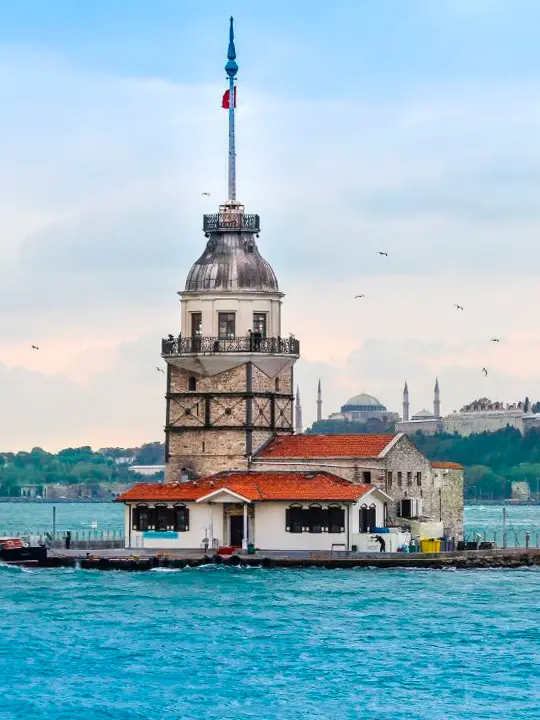
Airport Entry Points and Terminal Transportation Planning
Istanbul airport transfer starts long before the vehicle moves. At Istanbul Airport (IST), walking distance inside the terminal can exceed expectations. Passport control queues expand in waves. Baggage claim belts slow down during peak international arrivals. Airport pickup aligned with real arrival timing prevents unnecessary waiting outside crowded meeting pillars.
On the eastern side, Sabiha Gokcen airport transfer routes follow a different urban rhythm. Highway orientation, tunnel access, and bridge direction influence how traffic builds toward the European side. Private airport transfer from SAW toward business districts requires bridge timing awareness rather than simple distance calculation.
Four primary airport categories shape access:
• Istanbul Airport • Sabiha Gokcen Airport • Ataturk Airport
Each reflectsrport transport a different entry dynamic rather than a variation of the same route.
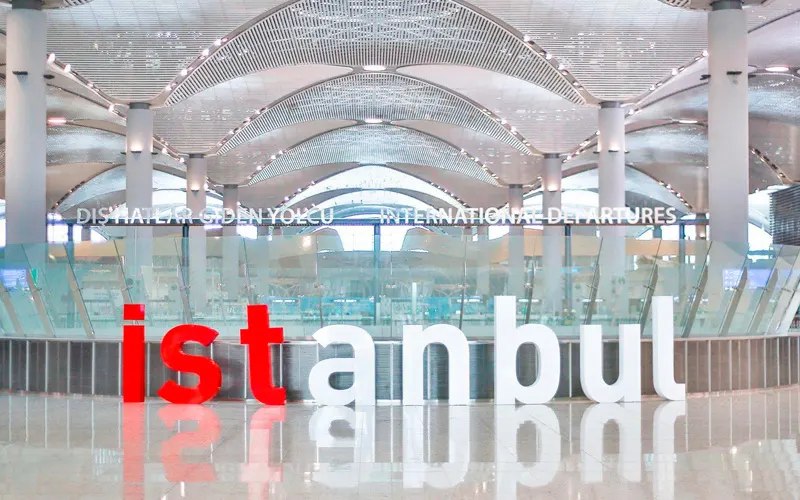
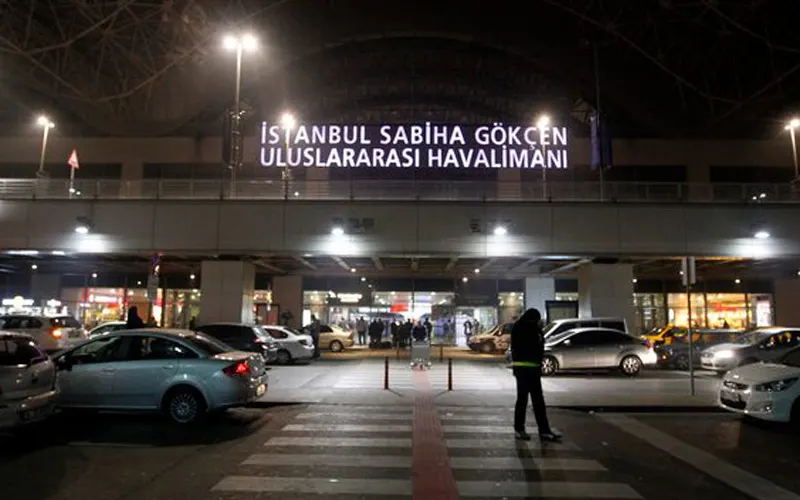
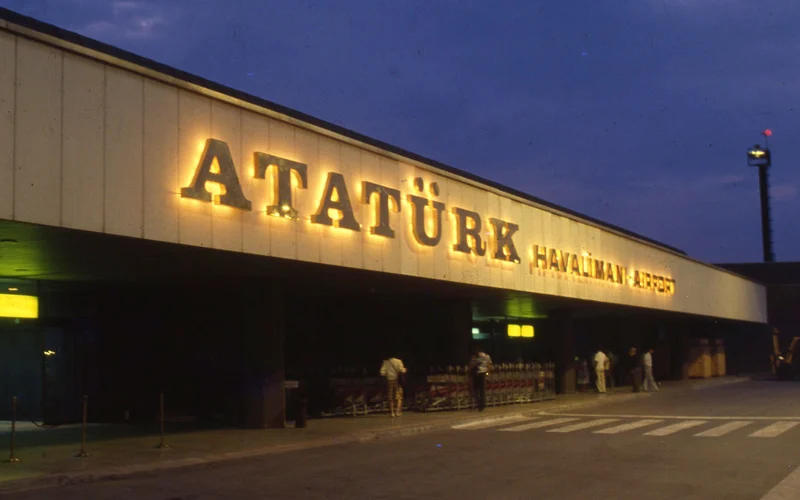
“Arrival intensity shifts throughout the day. Flight clustering, congestion at meeting points, and bridge traffic direction all shape how smoothly and quickly you move into the city after leaving the terminal.”
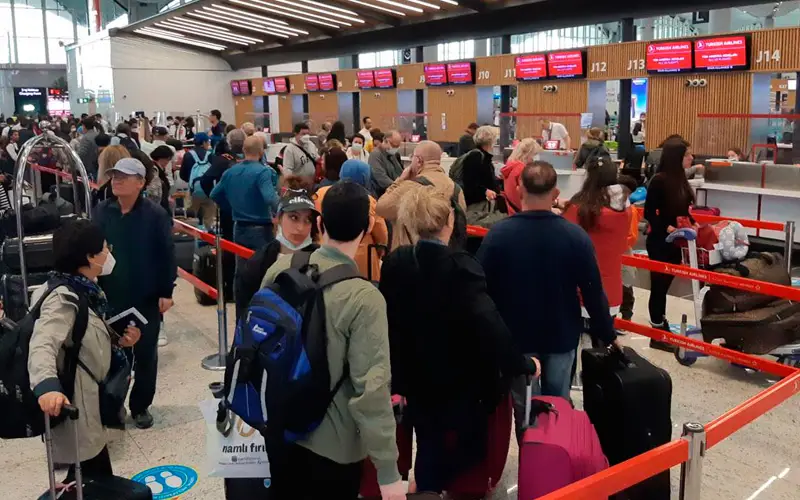
International Terminal Reality & Arrival Pressure
International arrivals at IST often combine long-haul fatigue with dense terminal circulation. Meeting pillar confusion, simultaneous flight landings, and luggage delays create unpredictable exit timing. A structured airport pickup absorbs that variability and stabilizes the transition from terminal to vehicle.
Bridge traffic between continents shifts hourly. Early morning landings and late-night diplomatic arrivals follow different traffic density patterns. Airport transfer planning integrates these fluctuations instead of reacting after departure.
Baggage Claim Delays & Exit Synchronization
Luggage release timing directly affects pickup positioning. Aligning vehicle access with real exit flow prevents congestion at terminal curb zones and reduces idle waiting during peak waves.
Cross-Bridge Direction & District Alignment
Arrivals heading to financial centers, historic districts, or coastal hotels require advance bridge direction planning. Timing the crossing window often determines overall stability of the transfer.

Luxury and Time-Sensitive Arrival Structure
Luxury airport transfer movements frequently involve tighter schedules. A late-night board member arrival, a high-security hotel drop-off, or a morning conference commitment compresses margin for delay. Terminal proximity, discrete pickup zones, and direct corridor routing shape these transfers.
VIP airport transfer aligns with private terminal handling, controlled access points, and minimal visibility environments. Arrival timing and destination sensitivity influence how ground movement is structured.
Diplomatic & High-Security Entry Patterns
Diplomatic or security-sensitive arrivals prioritize controlled pickup positioning and direct routing toward secure hotels or consular districts. Traffic exposure and unnecessary stops are minimized through corridor planning.
Tight Schedule Coordination & Direct Routing
When arrival connects to meetings or onward flights, airport transfer alignment focuses on continuity rather than comfort alone. Time windows define route selection and bridge usage.
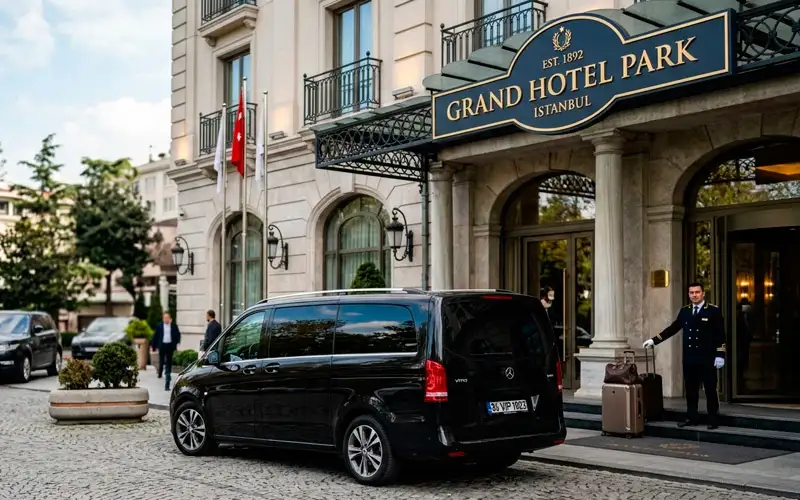
Hotel Arrivals & Urban Movement
Urban transfers inside Istanbul operate differently from airport entries. Hotel transfer typically continues an arrival sequence. The passenger has just landed and moves from airport to accommodation. City transfer, by contrast, connects districts within the metropolitan grid.
Hotel transfer dynamics revolve around curb access, concierge coordination, and luggage handling within defined drop-off zones. Airport pickup transitions smoothly into hotel arrival logistics when both layers align.
City transfer focuses on district-to-district mobility. Business centers, marina zones, historic quarters, and residential areas interact through changing traffic density and pedestrian regulations.
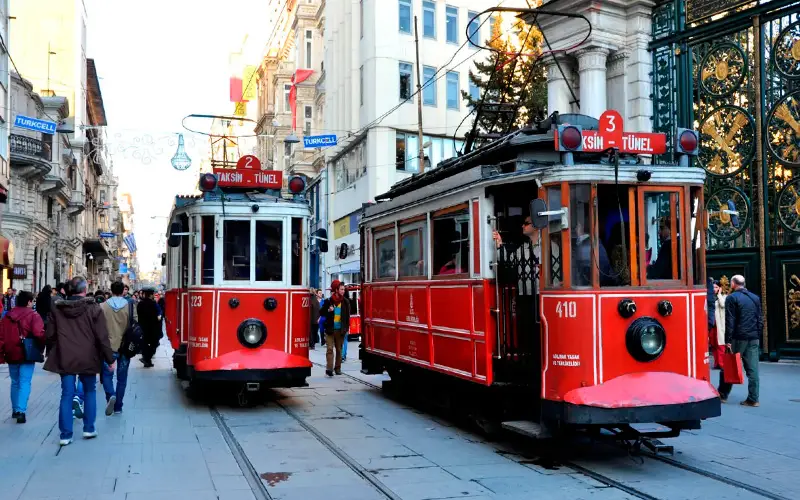
Arrival Continuity Within Hotel Zones
Hotel zones in the city center operate according to regulated traffic rules. Pedestrian-priority streets, limited vehicle parking areas, and entrances controlled by specially assigned staff influence timing. Organizing the airport transfer in alignment with the hotel arrival flow reduces potential disruptions at the final step.
Pedestrian District Timing Windows
Historic areas enforce vehicle timing limitations. Coordinating arrival with allowed entry windows prevents detours and unnecessary waiting.
Concierge Coordination & Curb Discipline
Hotel entrances often manage curb access through internal scheduling. Synchronizing vehicle arrival with lobby readiness preserves continuity from airport to room check-in.
District Mobility & Intra-City Connectivity
City transfer across Istanbul frequently spans both continents. Morning meeting in Levent followed by an evening event in Kadıköy involves bridge or tunnel decisions based on time of day. Urban movement requires awareness of bridge load fluctuations and tunnel alternatives.
City mobility differs from airport transfer because it operates inside the existing traffic ecosystem rather than beginning at a controlled terminal exit.
Bridge Timing & Traffic Wave Patterns
Bridge congestion follows directional waves. Selecting the appropriate crossing window stabilizes travel between European and Asian districts.
Alternative Tunnel Routes & Shoreline Arteries
Tunnel systems and coastal roads offer alternatives during peak bridge density. Route flexibility maintains continuity between business and residential zones.
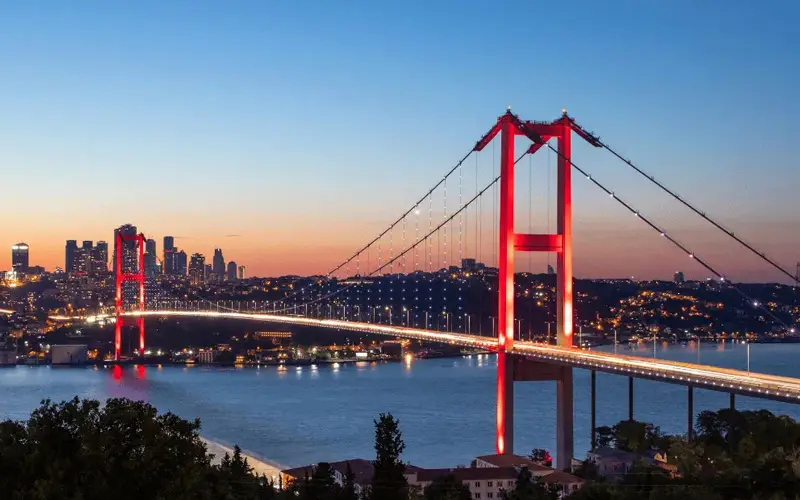
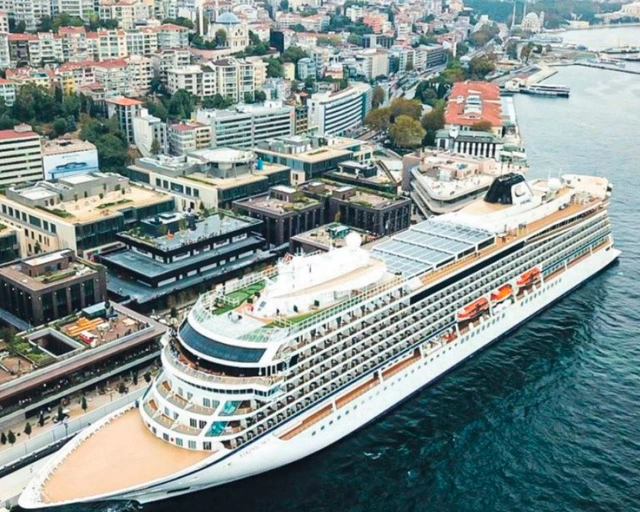
While airport and city transfers move through the metropolitan grid, cruise arrivals introduce a waterfront entry dynamic shaped by docking schedules and port clearance timing.

Cruise Terminal Access & Maritime Arrival Timing
Cruise arrivals form a separate entry category within Istanbul’s transfer structure. Galataport cruise transfer aligns with vessel docking time, port security clearance, and phased passenger release. Istanbul cruise port transfer patterns differ from airport pickup due to waterfront congestion and terminal layout.
Passengers disembarking from a vessel often carry luggage volumes similar to international flights. However, release timing occurs in groups rather than continuous waves. Ground alignment follows these structured exit patterns.
Waterfront Release Flow & Urban Linkage
Galataport cruise transfer routes feed directly into central hotel districts, Bosphorus bridge connectors, and inner city corridors used for onward ground movement. Coastal road positioning and marina proximity shape the first stage of urban circulation after passengers exit the port facility. Vessel docking schedules, terminal clearance timing, and grouped passenger release waves influence how vehicles align with surrounding waterfront traffic before merging into the broader metropolitan road network.
Vessel Docking & Ground Link Synchronization
Docking schedules determine when ground transport activation begins. Synchronizing vehicle presence with maritime release avoids curb congestion at the port entrance.
Port Security Clearance & Controlled Exit Waves
Security procedures stagger passenger exit. Aligning Istanbul cruise port transfer timing with these clearance waves ensures stable movement toward hotels or airports.
Istanbul’s transportation system operates through layered gateways: airport arrival, hotel continuation, district mobility, and cruise port entry. Each layer carries its own timing rhythm, traffic exposure, and directional structure. Recognizing which gateway defines the journey clarifies how an Istanbul airport transfer, private airport transfer, airport pickup, city transfer, or cruise transfer integrates into the broader metropolitan flow.
FAQ – Istanbul Transfer & Private Transportation
Airport arrival, hotel transfer, city mobility, and Galataport cruise transfer each follow different timing and routing patterns within Istanbul. The questions below clarify how Istanbul airport transfer, private airport transfer, airport pickup, and cruise port connections align with specific entry points and urban flow conditions.
What is meant by an Istanbul airport transfer?
Istanbul airport transfer refers to ground transportation arranged between the airport and a destination within the city. The exact structure depends on arrival point, district location, and timing. Some travelers look for a simple airport pickup, while others coordinate a private airport transfer based on schedule, luggage volume, or onward plans. The key difference lies in how the arrival point connects to the wider urban network.
When does a private airport transfer make sense in Istanbul?
private airport transfer in Istanbul is typically considered when timing clarity and direct routing are important. Arrivals with tight schedules, family travel, or business commitments often benefit from coordinated pickup rather than open-ended ground options. The decision usually depends on airport entry point, final district, and time of day rather than a single fixed rule.
Is Sabiha Gökçen airport transfer different from Istanbul Airport transfer?
Yes, because each airport connects to the city through different traffic patterns. Sabiha Gökçen airport transfer routes begin on the Anatolian side and may involve tunnel or bridge crossings depending on the destination. Istanbul Airport transfers primarily distribute toward European-side districts first. Travel time depends less on straight-line distance and more on continental direction and time of day.
How does hotel transfer differ from city transfer inside Istanbul?
Hotel transfer usually continues the arrival sequence from airport to accommodation. Timing is aligned with check-in windows and curb access regulations. City transfer, on the other hand, connects districts within the metropolitan area. It may involve cross-bridge movement between business centers, marina areas, historic zones, or residential districts. The planning focus shifts from terminal exit timing to urban traffic rhythm.
How does Galataport cruise transfer work in Istanbul?
Galataport cruise transfer or Istanbul cruise port transfer aligns with vessel docking time and phased passenger release. Cruise terminals release guests in controlled waves rather than continuous airport-style flow. Ground coordination follows port security clearance timing and waterfront traffic conditions. Transfers from the cruise port typically connect toward central hotels or onward airport departures depending on travel plans.
